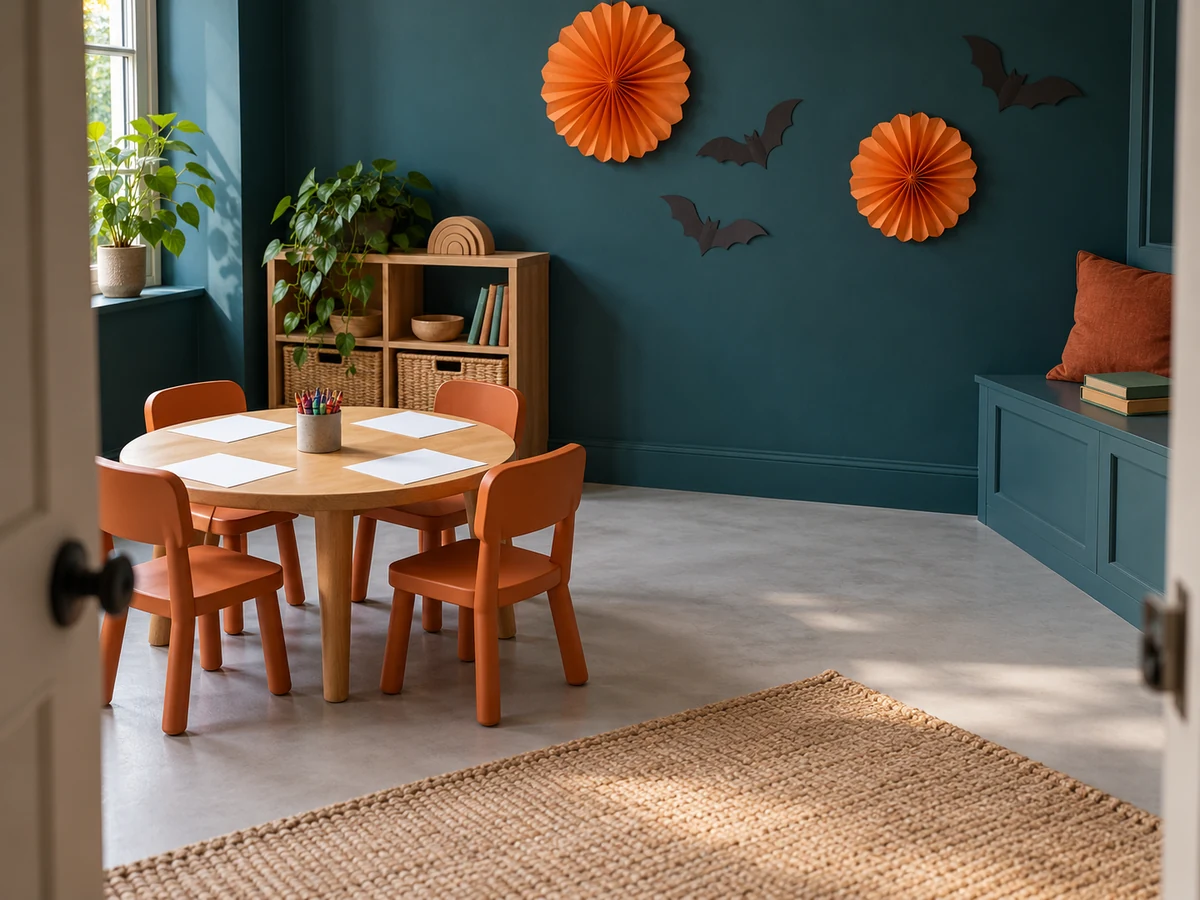
A manageable Halloween party plan for kids can follow one simple order: arrival drawing, a shared game, a little movement, a snack break, a quiet finish and goodbyes. Use the hour below as a flexible starting point. You do not need six separate games—or a printer—to fill it.
This example is for a small gathering at home, with activities you can adapt for children roughly ages 3–7. Choose the guest list, adult help and activities around the children attending. The timings are a hosting suggestion, not an age-based rule.
A one-hour Halloween party plan you can change
Write the start and finish times on the invitation, and tell families whether caregivers should stay. Ask about food needs and anything that would help a child join in comfortably. Costumes can be optional; a child can come exactly as they are.
| Time | What happens | Your next step |
|---|---|---|
| 0–10 minutes | Arrive and draw | Offer paper and crayons while you welcome guests. |
| 10–25 minutes | One shared game | Choose picture bingo or simple Halloween charades. |
| 25–35 minutes | Move and stretch | Try slow monster steps or a short freeze-and-move game. |
| 35–45 minutes | Wash hands and have a snack | Leave time to settle and clear up. |
| 45–55 minutes | Return to something quiet | Finish the arrival drawing or read a familiar story. |
| 55–60 minutes | Gather belongings and say goodbye | Send drawings home as each family leaves. |
If you only prepare three things: put out drawing supplies, choose one shared game and decide where belongings will go. The quiet finish can reuse the drawing activity. Decorations, prizes and party bags are optional.
Keep the finish time steady if families are collecting children, but let the middle flex. A game that everyone enjoys can run longer; the movement slot can shrink or disappear. Leave a few minutes for shoes, coats and finding the right drawing.
Choose the activities before you print
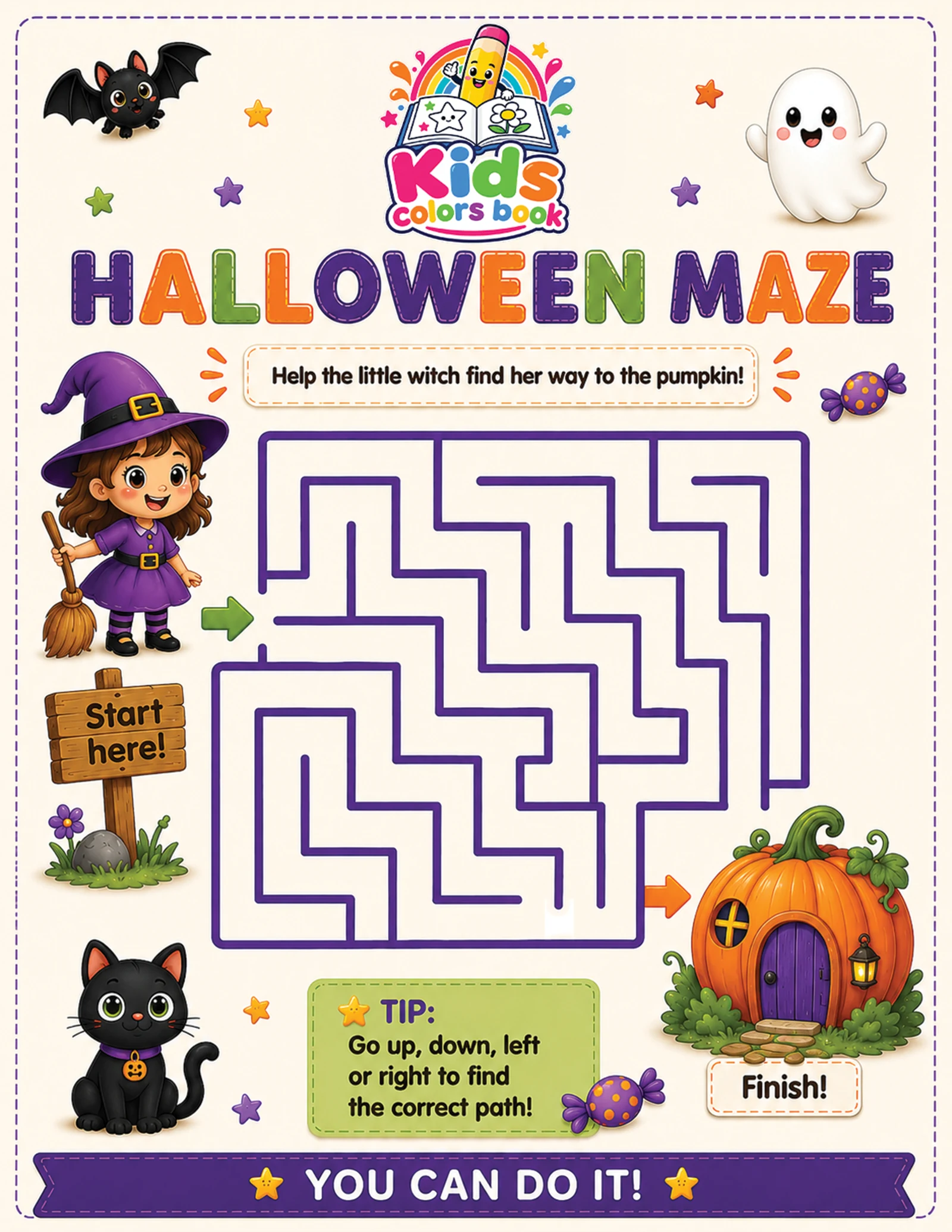
Pick the shared game first. For picture bingo, set aside a card for each player and prepare the calling materials before guests arrive. Our Halloween bingo guide explains how to introduce the game to children who are not reading yet. Use marking materials appropriate for the children attending.
For a no-printer version, play charades together: an adult acts out a cat stretching, a bat flapping or a pumpkin growing, and children guess or copy. Give children the choice to watch. You can keep taking turns without scoring, elimination or prizes.
For arrival and the quiet finish, use the same supplies twice. Invite children to draw a silly Halloween creature on plain paper, then add its house or a friend later. If you use printable pages, select a small number in advance rather than handing out a whole stack.
If you want ready-made choices for several parts of the hour, the Halloween Activity Book – Complete Printable Bundle includes coloring pages, bingo with 10 unique cards and learning worksheets. It is a digital US Letter PDF bundle; printing and supplies are separate. Choose activities from the previews to suit your guests, and print only what you will use. The plan works just as well with your own paper and games.
Prepare one small party kit
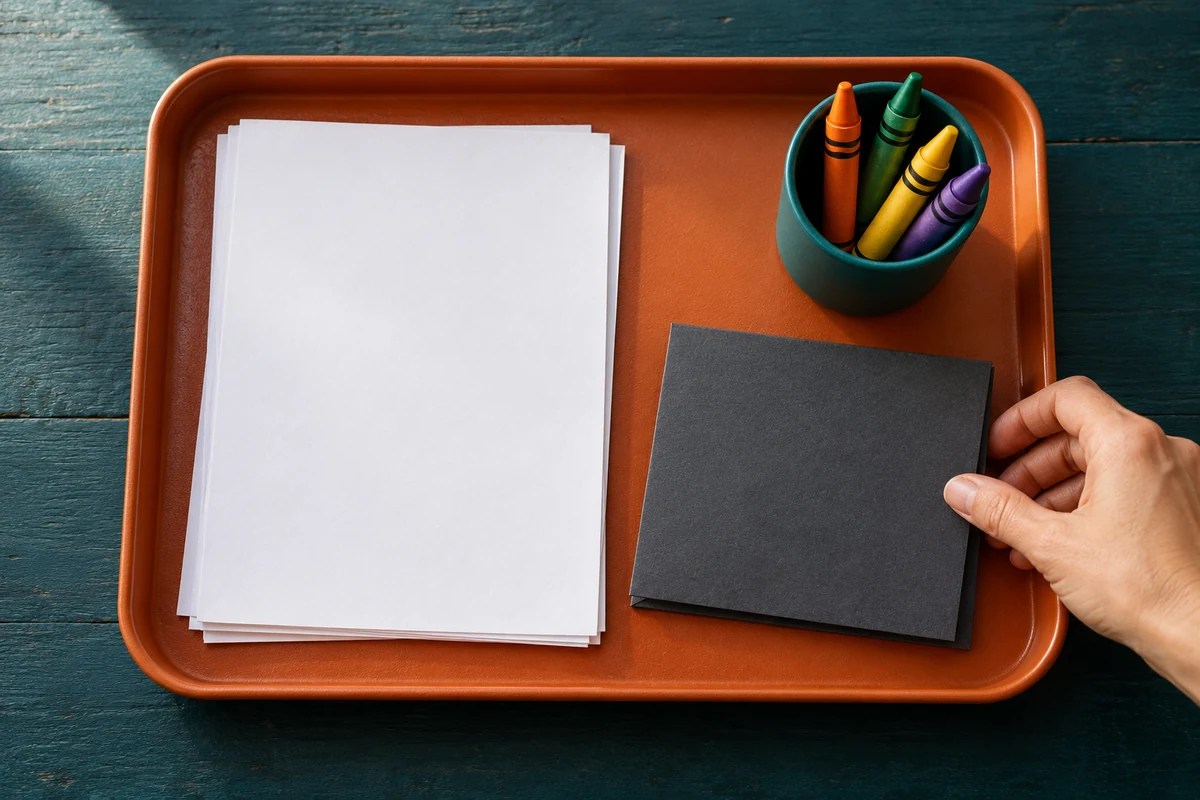
For an example group of six children, start with eight sheets of plain paper: one each and two spares. Add crayons, the materials for your one chosen game, a folder for finished pictures and a familiar book if you plan to read. Adjust quantities to your guest list. Keep extra activities out of sight until needed.
Do any cutting or other preparation ahead of time. If printing, test one page before making the rest; our coloring-page printing guide covers Letter and A4 settings. Put the prepared materials together so you can reach the next activity without leaving the group to search.
Set aside a place for coats and completed drawings. Clear the space you will use for movement, and check that costumes do not trail under feet. The CPSC’s Halloween safety guidance recommends well-fitting costumes and battery-operated lights instead of candles.
For the snack, check food labels and the needs families have shared. Keep packaging available for caregivers to read, and choose food appropriate for the children attending. The FDA’s Halloween food guidance includes allergy-label and choking-hazard reminders. Plan who will supervise the children while food is prepared or served.
Help children move from one activity to the next
Use a short warning followed by one concrete instruction. For example: “One more turn, then the crayons go in the cup.” Show where the materials belong before introducing the next activity.
Give children a small way to keep their unfinished work: “Put your picture in the folder. You can come back to it after our game.” A child who wants to keep drawing can do so where an adult can supervise, if your space and adult help allow it.
Before movement, demonstrate the pace and boundaries: “Monster steps stay in this clear space.” Before snack, say what comes first: “Pictures away, then wash hands.” You do not need to announce the whole schedule each time.
When the party does not follow the plan
- Someone arrives late: welcome them into the current activity. Keep a spare sheet nearby rather than restarting the group game.
- The shared game ends quickly: repeat it if children want another turn, or return to drawing. A spare activity is not a requirement.
- The room feels too busy: pause the music, reduce what is out and offer a quieter activity with adult support.
- Snack takes longer: shorten the final activity, then move straight to gathering belongings. Avoid rushing food to protect the timetable.
If preparation starts growing, cross something off. One enjoyable game and a relaxed drawing activity are enough to build this example around. Keep the plan on your phone or a scrap of paper for your own reference.
Halloween party planning questions
Does a kids’ Halloween party have to last an hour?
No. This is an example running order, not a recommended duration for every child. Choose a finish time that suits your guests, the setting and the adult help available. You can shorten the plan by leaving out movement or the extra quiet activity.
Do I need to buy Halloween printables?
No. Plain-paper drawing, charades and a book you already own cover the main activity slots. Printables are an optional convenience if you want particular pictures or game materials.
How can different ages join the same party?
Offer different ways to participate: guess or copy during charades, draw independently or alongside an adult, and watch before joining. Choose the shared game around the actual children attending; older children do not have to become helpers.
Keep the plan small
Choose your shared game, put the supplies together and leave room to change your mind. The aim is to welcome the children and enjoy time together, not complete every row on schedule.
Want printable choices ready to choose from? See the Halloween bundle contents and real previews, then decide which pages fit your party.