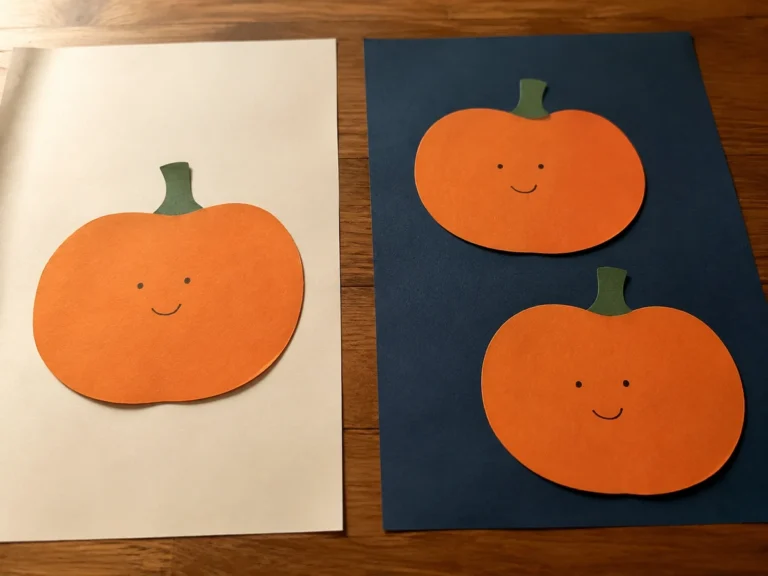

An AB pattern repeats two different things in the same order: circle, square, circle, square, circle, square. For simple AB pattern activities, show the repeating pair, invite your child to copy it, then try extending the row, fixing one mistake and using the same rule with sounds. You can begin with objects you already have.
Choose just one part to try today. A child can point, move an object or make a sound; a written answer is unnecessary. These examples are invitations to play together, not a test to finish.
What is an AB pattern?
In an AB pattern, A stands for one element and B for a different element. The letters describe the order, not particular colors or shapes. A circle followed by a square is one pair; repeat that pair to make the row.
Circle–square / circle–square / circle–square
The smallest part that repeats is called the repeating unit. Here it is circle–square, not the whole six-shape row. NCETM’s early-years pattern guidance emphasizes noticing that unit and showing several repeats so the rule is visible.
For another example, try soft tap–clap / soft tap–clap / soft tap–clap. Different materials, same two-part structure.
Set out one clear example
Choose two kinds of large, familiar objects, with several of each. Alternatively, an adult can draw circles and squares on separate large pieces of paper. Keep the shapes easy to distinguish; they can be the same color. Leave enough space for a second row and a few spare pieces.
Use materials appropriate to your child’s age and abilities, and stay nearby. Keep small parts away from children under three, including younger siblings who may join the space. The CPSC’s toy-safety guidance explains age labeling and small-parts precautions. If loose pieces do not suit your household, use the sound version together.
Make three circle–square pairs in one straight row. Start from the same end each time you describe it. Keep extra decorations out of this first example: the shapes are the feature that changes.
Find the pair, then copy it
Point to the first circle and square. Say, “This pair comes again.” Move your finger to the next pair, then the last one. Ask, “Can you show me one pair?” Your child may point to two pieces instead of naming them.
For copying, leave your row visible and offer matching pieces below it. Let your child place the first circle under yours, then the square. Check the two rows together before adding more. If looking back and forth becomes frustrating, build one pair together and pause.
NRICH’s Pattern Making activity uses copying and continuing simple patterns with objects, movements and sounds. Here, copying means making another row that follows your model; extending means adding to its end.
Extend the row without changing the rule
Return to the original row. After the final square, leave a clear gap and offer a circle and a square. Ask, “What belongs next?” Then check the choice by reading the row from its beginning.
If your child chooses a circle, invite a square after it. Now you have added another whole pair. Try asking for “one more circle–square pair” instead of asking for each piece separately.
If your child wants to make a new design, let that be a separate row. You might say, “That is your new arrangement. Shall we finish this circle–square rule first, or save it?” A new idea does not need to become an argument about a wrong answer.

Fix one extra item
Tell your child you are going to add an extra piece to your pattern. Begin with the correct six-piece row, then insert another square beside the middle square:
Circle–square / circle–square–square / circle–square
Say the shapes together from the start. When the two squares meet, stop and compare that part with the first pair. Ask, “Which extra square could we take away?” Either of the adjacent identical squares can be removed to restore the row.
Check the result from the beginning: circle–square / circle–square / circle–square. If your child cannot locate the extra item, point to the middle group and offer to move one piece together.
EDC’s Extend the Pattern resource includes fixing patterns alongside copying and extending them. Use a deliberate puzzle you made, rather than secretly changing your child’s work.
Keep the rule, change the materials
Leave the correct shape row visible. Agree that a circle means a soft tap on your own knee and a square means one clap. Point slowly while you play: tap–clap / tap–clap / tap–clap.
Next, ask your child to choose two comfortable sounds or actions. Keep the same first–second order. Two spoken sounds work too, such as “moo–woof.” Take turns pointing and performing, or do both together.
This changes what the pattern is made of while keeping its rule. Vanderbilt University’s patterning tips for parents and teachers describe translating patterns to different materials and using movement. There is no need to rush into a more complicated pattern just because the objects have changed.
When the activity gets stuck
- Your child guesses quickly: slow the pointing down and say the whole row together before choosing a piece.
- The shapes are hard to tell apart: replace them with two more distinct objects, or name each one as you point.
- Copying takes all the attention: keep the two rows close and work on one pair together.
- Moving pieces is awkward: offer to move the piece your child indicates. Keep the choice theirs.
- The game has run its course: finish with one shared pair or simply put it away. You can leave the next variation for another day.
If siblings want to join, one can choose the next piece while the other places it, then swap. Our guide to activities for siblings of different ages offers more ways to share a setup while adjusting each contribution.
Do you need a pattern worksheet?
No worksheet is needed for these examples. Movable pieces let you change a row without erasing it. If you already have a pattern page, look at its actual rule before using it: a three-part sequence or two repeated shapes in a group is a different task from AB.
Ask your child to describe the row before drawing, coloring or choosing the next picture. Keep the goal clear: are you finding the repeat, or practicing using a pencil? You can do those on separate occasions.
For a seasonal materials variation, our fall fine motor activities include simple pattern play. For a different activity next time, browse the KidsColorsBook activity guides.
AB pattern questions
Does my child need to know the letters A and B?
No. You can say “circle–square” or name your two sounds. A and B are labels for the pattern’s structure; recognizing alphabet letters is not needed to copy this row.
Is every row with two colors an AB pattern?
No. Red–blue–blue–red does not follow a red–blue AB rule. Two colors can also make another valid pattern, such as red–red–blue / red–red–blue. Look for the repeating group and its order, not just the number of colors.
What can we try after an AB pattern?
First try the same AB rule with new objects or sounds. If your child wants a different rule, model an AAB example: circle–circle–square / circle–circle–square / circle–circle–square. Name the whole three-piece group and repeat it together. Return to AB whenever that is the better fit.